Safety Valve Series
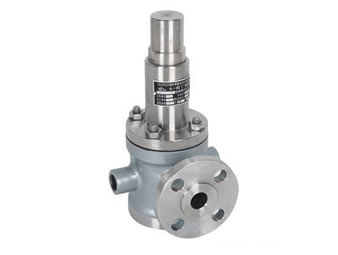
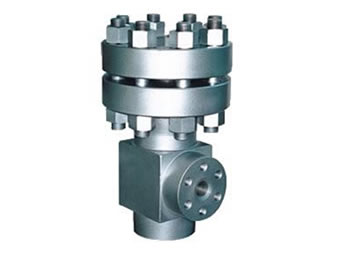
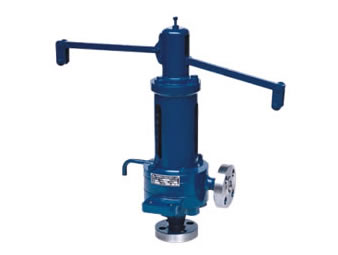
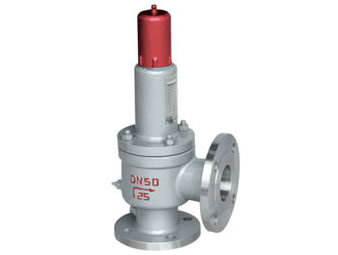
- Safety Relief Valve
- Pressure Relief Valve
- Balanced Safety Relief Valve
- Pilot Operated Safety Relief Valve
- Steam Safety Relief Valve
- Full Lift Safety Valve
- low Lift Safety Valve
Product drawing»
Structural drawing»
Cooperation
TechnologyMore >>
- The definition of safety valve
- The operating principle and types of safety valve
- The selection
- The installation
- Calculation
- Classification
- Calibration standard provisions
- Standard collections
- Type made methods instructions
- Common faults and reasons
NewsMore >>
Air compressors are among the most demanding applications for safety valves. Unlike pressure vessels that operate at steady conditions, compressors cycle repeatedly—loading and unloading dozens or even hundreds of times [2026-10-26]
Safety valve set pressure inaccuracy is the single most common failure mode in pressure relief equipment. According to laboratory data, set pressure failures account for nearly 50 percent of all safety valve test failure [2026-10-23]
In oxygen and oxygen-enriched environments, safety valves are the last line of defense against overpressure. However, if any hydrocarbon contamination remains inside the valve, it can become an ignition source under high [2026-10-19]
Safety valves are the last line of defense in any hydraulic system that operates at high pressure. When the fluid is hydraulic oil and the pressure rating is severe, the valve body material becomes a critical safety fact [2026-10-12]